











#1 Practise for rhinoplasty & nasal corrections in Goethestadt







Your path to more self-confidence
About 36,000 patients have found a new way of life with our plastic surgery
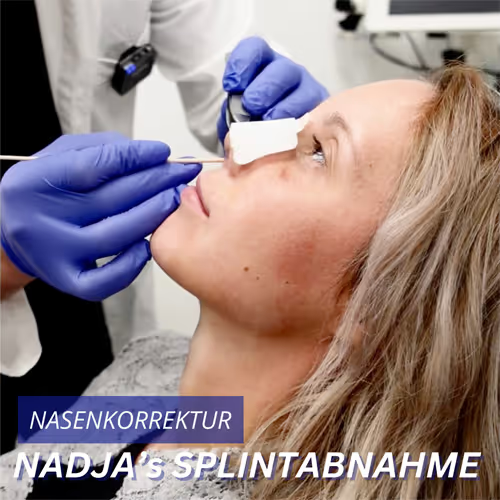
Nose corrections performed by Dr. Berkei have already gave thousands of patients a better life. We are pleased when our patients take the time to share their experiences and thus provide a transparent insight into rhinoplasty with Dr. Berkei.



“I was with 7 doctors, all of them didn't fit, except Dr. Berkei, who made me feel very well cared for and understood.”


Dr. Berkei was perfect.
Anna
Nose surgery
"No one notices that my nose was operated on, it looks so natural, just perfect. Thank you for giving me this sense of life."
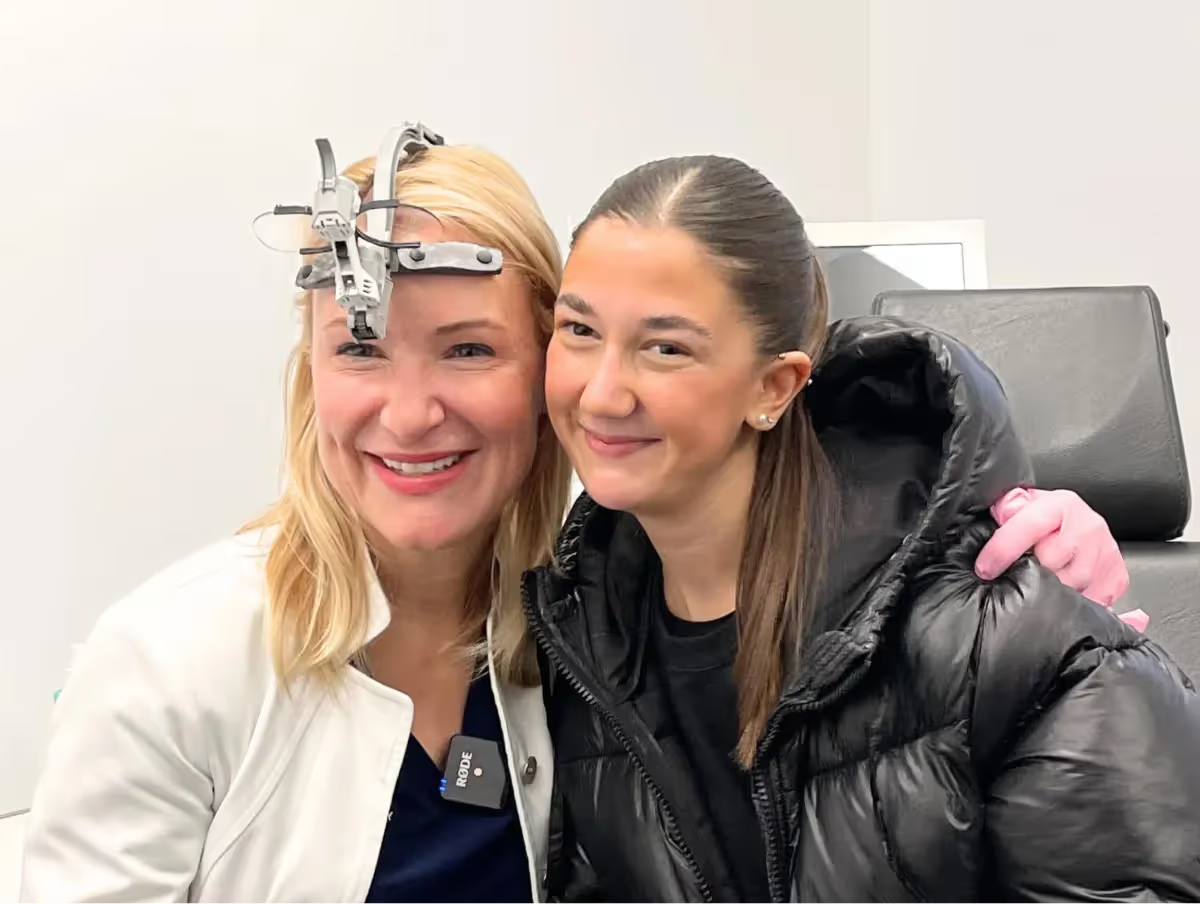
No one notices the operation!
Greta
Nose surgery
"My nose has become really straight. That's exactly what I wanted! I'm so happy."
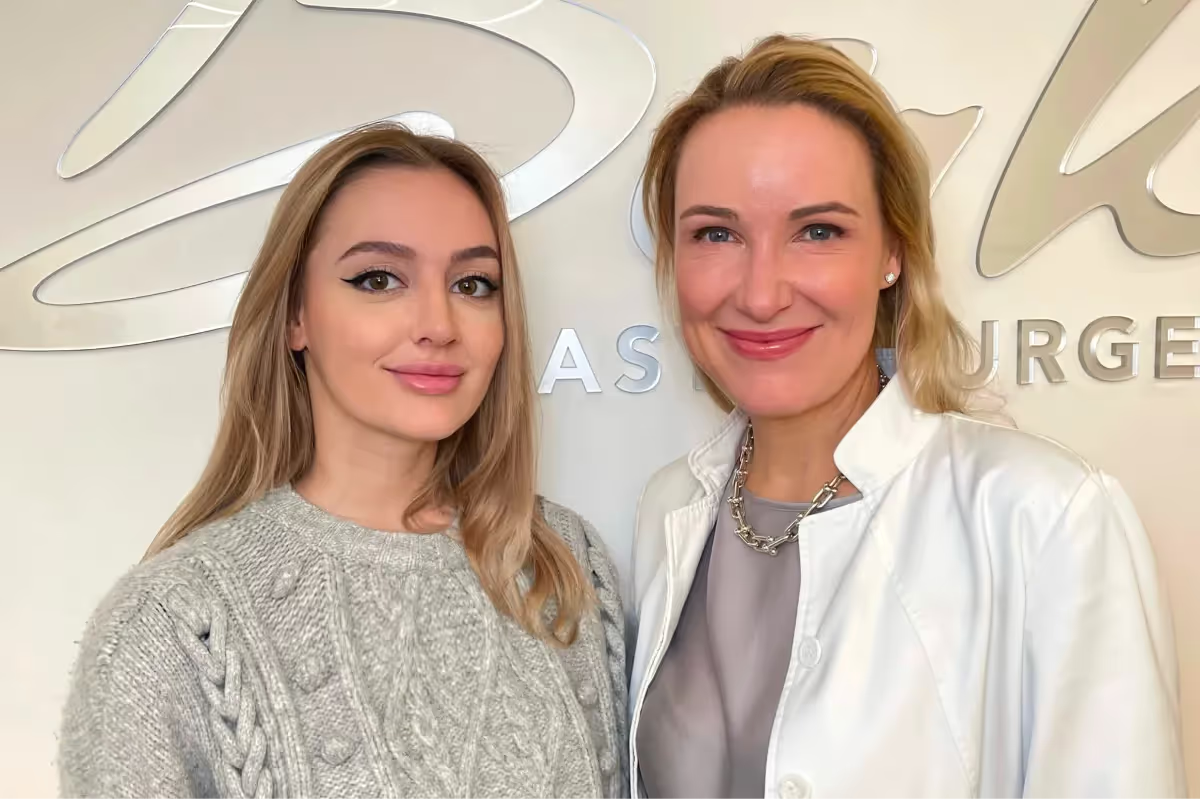
Exactly as requested.
Kristine
Rhinoplasty
"I can really say from personal experience that it was totally worth it. You're in such good hands and I really feel really comfortable here."

Absolutely worthwhile.
Elisa
Nose surgery
"Rhinoplasty has significantly increased our self-confidence. Our lives are associated with more freedom and it doesn't bother either of us anymore when someone looks at us in the face for too long."
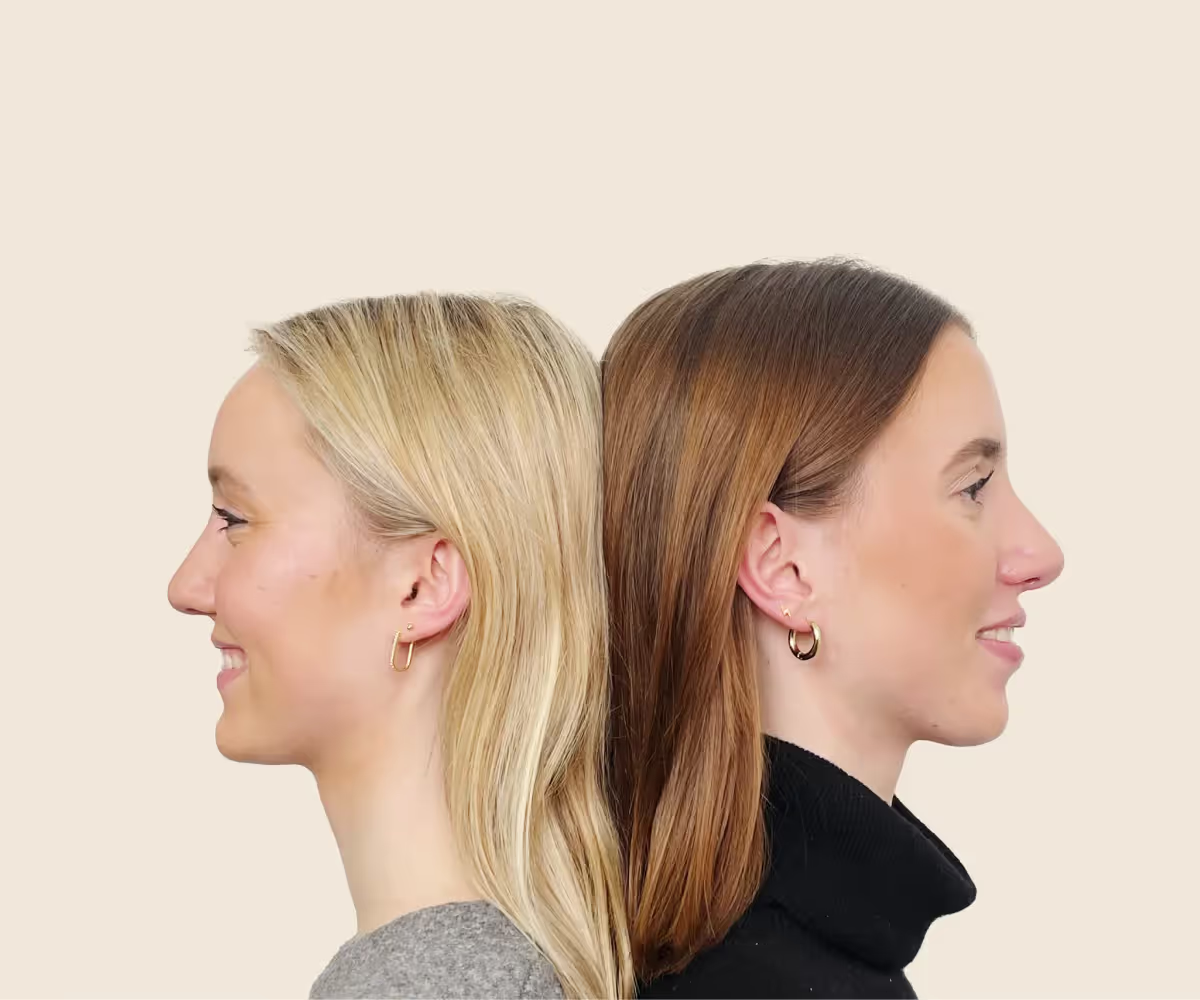
New quality of life.
Twins Sophia and Emilia
Nose surgery
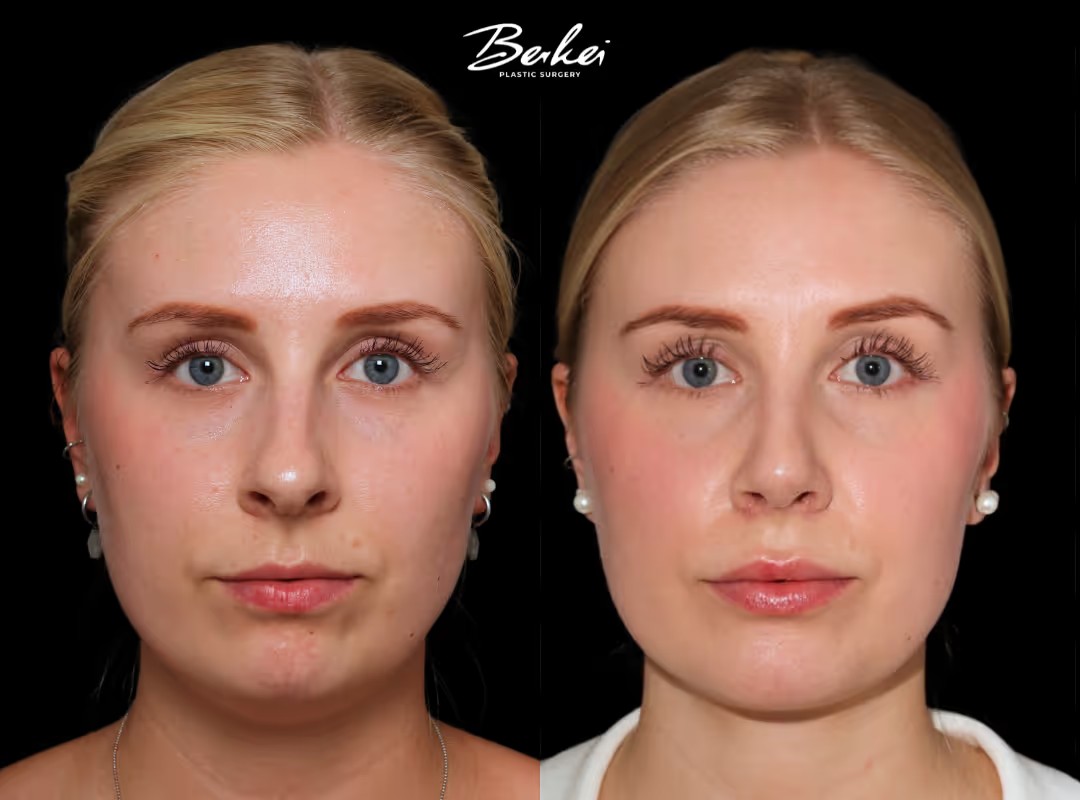
Nose surgery before and after pictures
Dr. Berkei shapes noses that fit the face so perfectly as if they had never been any other way.
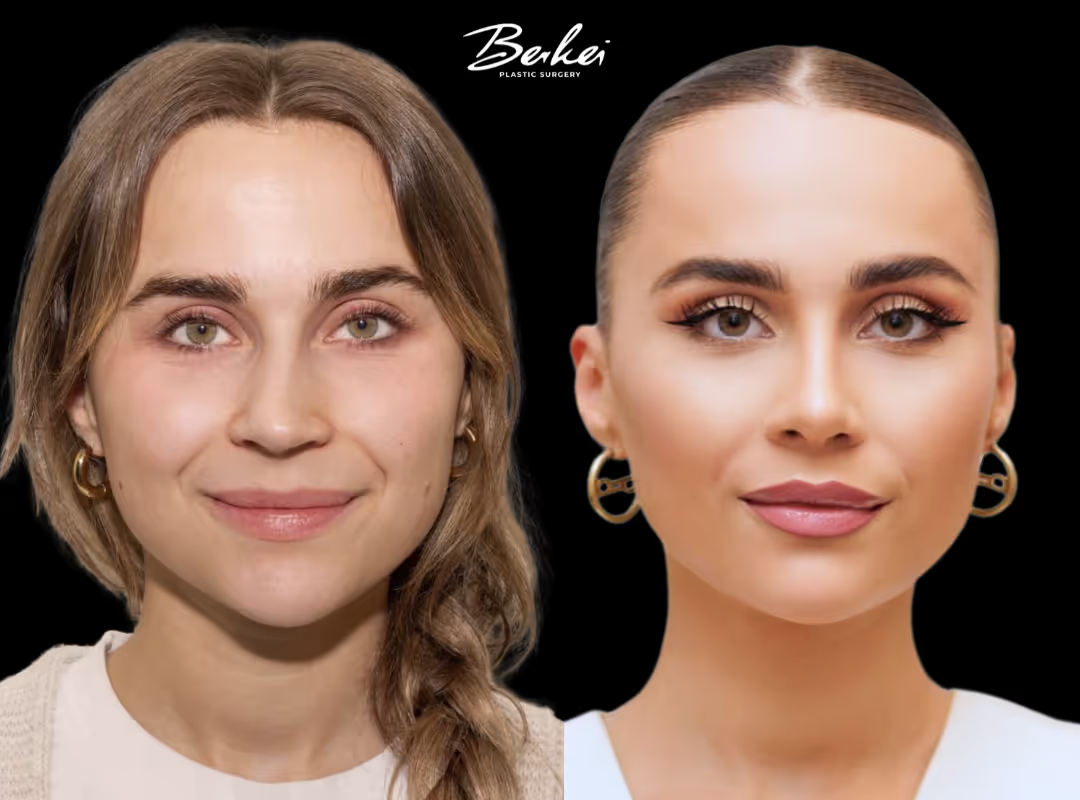
Rhinoplasty with surgery
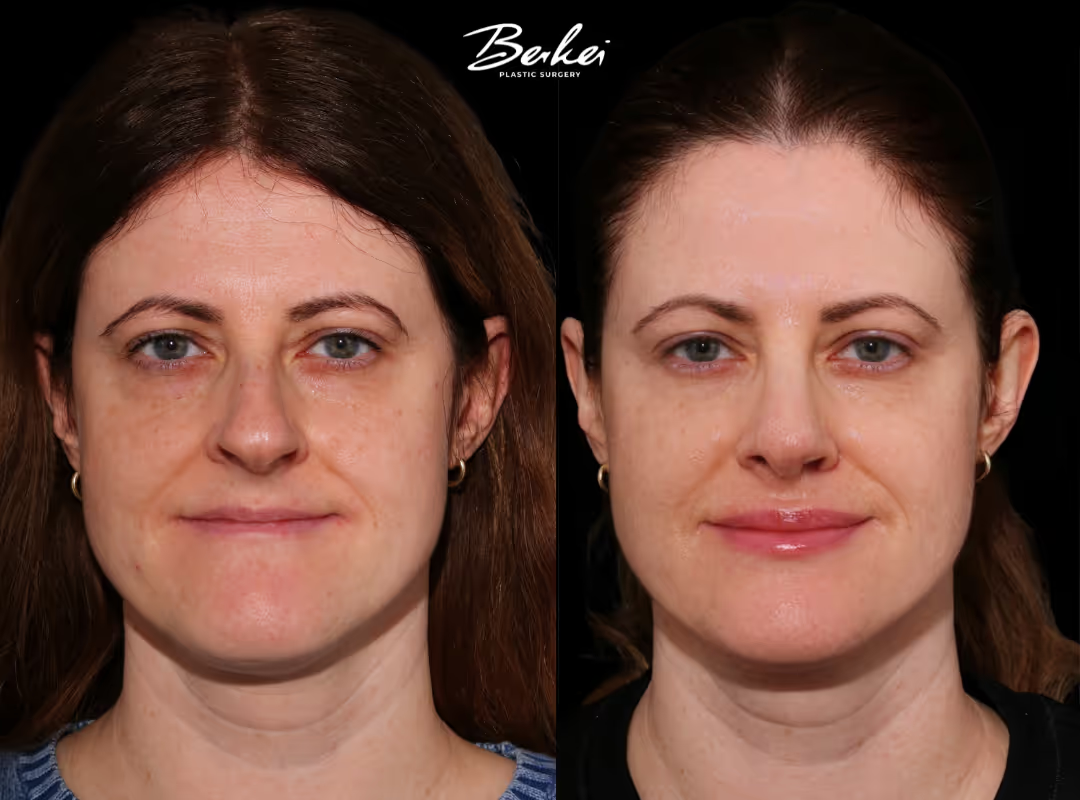
Rhinoplasty with surgery
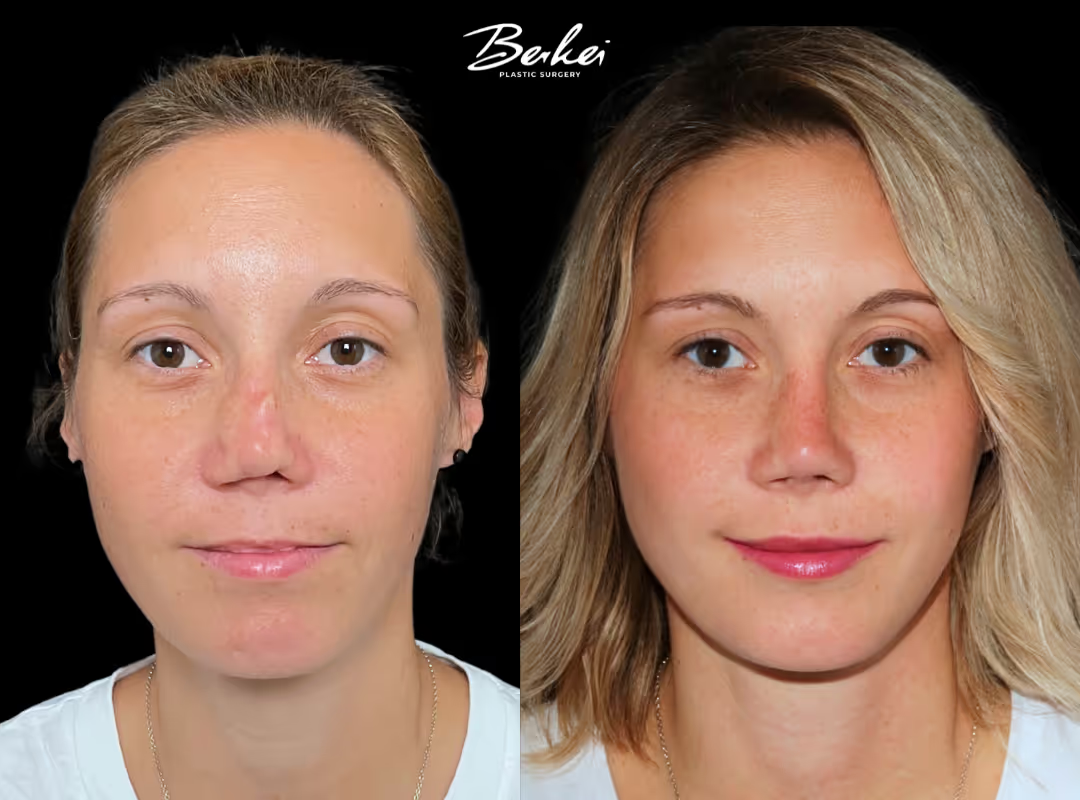
Rhinoplasty with surgery
Rhinoplasty with surgery

Revision Rhinoplasty
Rhinoplasty: with surgery vs. without surgery
The decision for a Rhinoplasty depends on individual wishes and needs. Basically, we differentiate between surgical rhinoplasty (with surgery) and minimally invasive methods (without surgery). While nose surgery enables permanent changes, such as improved breathing after nasal septum surgery or aesthetic treatment of a hooked nose, non-surgical rhinoplasty, such as hyaluronic acid, offers a gentle alternative with temporary results.
The most important differences and facts at a glance can be found here:


Rhinoplasty in Frankfurt
Rhinosurgery (including rhinoplasty) optimizes nose shape, improves breathing and creates harmonious proportions — individually, precisely and with the latest, gentle techniques.
Nose surgery is one of the most demanding and individual procedures in plastic-aesthetic surgery. It is not only used by aesthetic improvement of nose shape, but can also cause functional problems such as restricted nasal breathing correct. Every nose is unique, so successful rhinoplasty requires a precise analysis, many years of experience and a distinctive aesthetic sensitivity. The aim of the procedure is to provide a harmonious balance between nose and facial features to create and at the same time maintain or restore natural functionality.
Today, modern surgical techniques make it possible, in particular gentle and individually adjusted corrections that are tailored to the needs and wishes of patients. Careful advice, realistic expectations and detailed planning are essential for an optimal result.
Whether it's refining the tip of the nose, straightening a hump or improving breathing — rhinoplasty offers a wide range of options for sustainably improving well-being and quality of life.
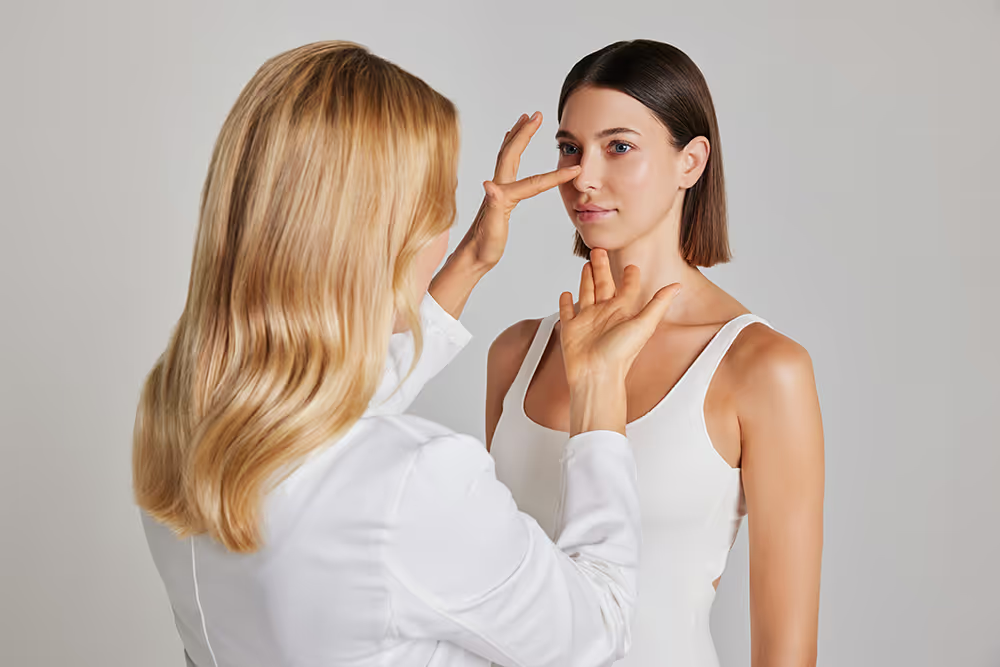
Facts about nose surgery
Transparent and informed about your desired nose.


Which nose do you have?

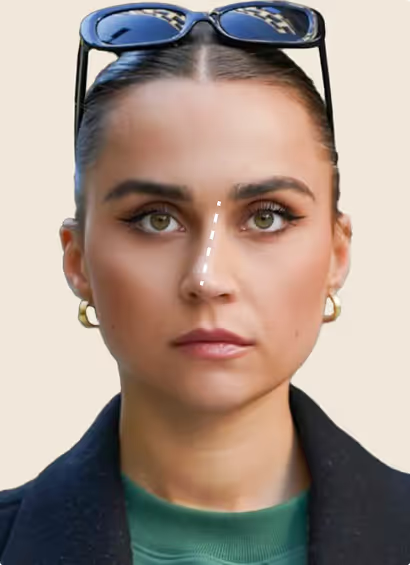
A crooked nose is a nose shape in which the nose asymmetrical Is or a lateral curvature has. This irregularity can be caused by various factors, including genetic predisposition, accidents, or traumatic events. A crooked nose is also often associated with functional disabilities How are respiratory problems associated with the quality of life.
Depending on the type of misalignment, the aesthetics and function of the nose are determined by Straightening the cartilaginous part of the nasal septum or Adjustment of the asymmetrical bony nasal pyramid improved. In doing so, the Removing a hump be necessary to open the roof of the nose to achieve a repositioning of the nasal axis.
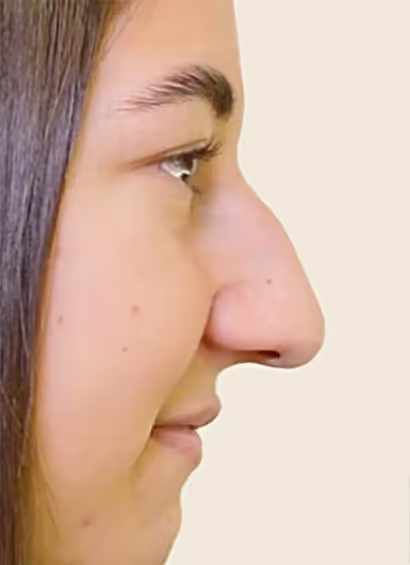
A hump nose is a common nose shape characterized by a increased outward curvature of the bridge of the nose Distinguishes. The visible curvature is usually excess cartilage or protruding bone, which can be felt under the skin.
To correct a hump nose, the removes excess cartilage and bone and reshaped the bridge of the nose to achieve a harmonious nose shape. In the case of a cartilaginous hump nose, the cartilaginous portion of the nasal septum is straightened with positional sutures and “spreader grafts”, small cartilage splints to open the inner nasal valve. In the case of a bony hump nose, bone is removed and the bridge of the nose is reconstructed.
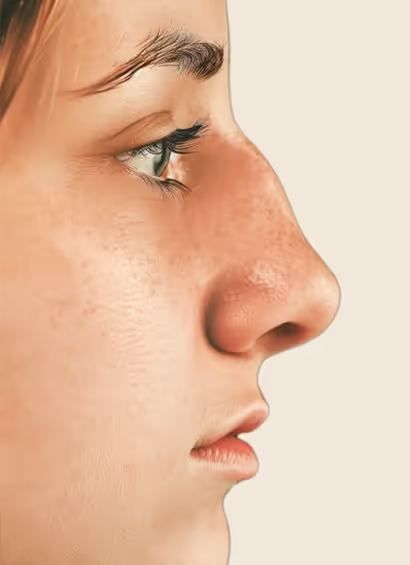
A saddle nose is through a sharp lowering of the bridge of the nose recognizable, which mainly occurs after accidents or operations. There is usually a hole in the nasal septum, which causes the sinking.
To restore a straight nose bridge, a saddle nose is used nasal septum surgery performed, during which the bridge of the nose is reshaped. To compensate for the missing material on the bridge of the nose, own cartilage used as a transplant and thus reconstructs the bridge of the nose.
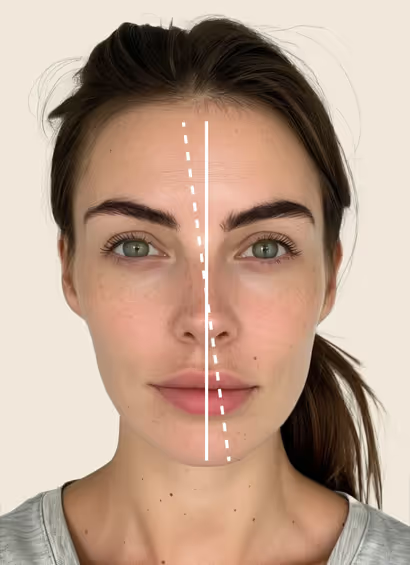
A pseudo-crooked nose is a Asymmetry of the two halves of the face. The center between the eyes does not correspond to the middle between the upper lips; the face does not look straight. This is usually one that appears on almost every face Widening one half of the face and the nose is crooked on the face, although it starts centrally between the eyes and runs centrally towards the upper lip.
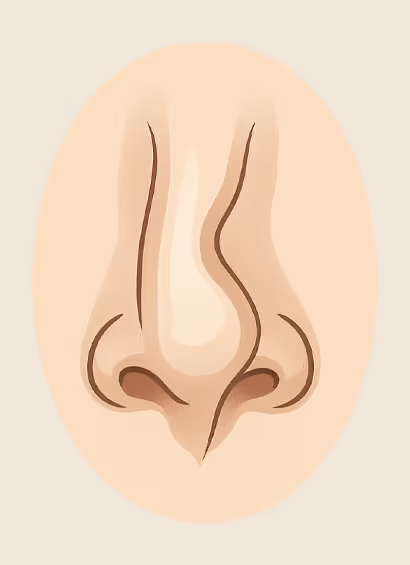
Here, it must be decided whether a bony-cartilaginous axis correction should be performed or whether a straightening should be carried out by augmenting (building up) the concave side with septal or ear cartilage.
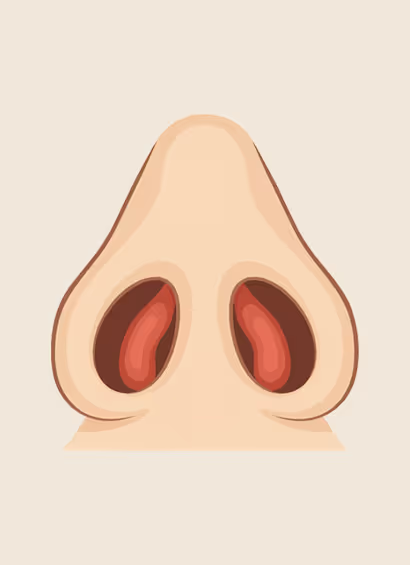
Enlarged nasal conchae, known as mussel hypertrophy, are common in patients with long-lasting allergies and lead to ventilation disorders. Nasal conchae are bones covered with mucous membrane that increase the surface area of the nasal cavity. They lie on the outer wall of each nostril, with the lower nasal concha usually being the largest and often causing airway blockages. Enlarged medium-sized mussels can cause respiratory obstructions due to concha bullosa. Partially reducing the size of the nasal concha improves nasal ventilation, making recovery quick and painless. Allergy sufferers may need a reduction of the mucous membrane again after 1-2 years.
Nasal septum surgery (deviated septum)
When a nasal septum warped is (nasal septal abnormalities), this can cause significant discomfort and surgical correction may be necessary. Dr. med. Berkei, renowned specialist in plastic and aesthetic surgery, performs this procedure with maximum precision and taking aesthetic aspects into account. The aim of nasal septum surgery is to straighten the nasal septum to allow uniform air circulation through both nostrils. Studies show that symptoms often improve after surgery.
Before an operational decision is made, a comprehensive investigation and advice is carried out by Dr. med. Berkei to take patients' individual needs and expectations into account in the best possible way. She attaches great importance to finding a tailor-made solution and discussing all benefits and potential risks in detail. In some cases, it may also be useful to obtain a second medical opinion.
Impaired nasal breathing can significantly reduce the quality of life — especially if it causes symptoms such as:
- headaches
- weariness
- Common sinus infections
- nosebleed
- olfactory disorder
- Snoring with shortness of breath (sleep apnea).
If the cause of these problems is a misalignment or curvature of the nasal septum, surgical correction (septoplasty) can help.
Causes of nasal septum curvature
One curved nasal septum can either be congenital or develop during growth, particularly during adolescence. In this phase, the deviated septum come under pressure and deform as a result of the growth of the facial skull and upper jaw. It is therefore recommended that a Nasal septum surgery only after growth is complete, i.e. from around the age of 17.
Also external influences such as Accidents, blows, or bumps to the nose may cause a curvature of the nasal septum and impair nasal breathing.
Is nasal septum surgery useful?
Not every deviated septum requires surgical correction. First of all, often decongestant or cortisone nasal sprays used to alleviate the symptoms. If these measures are not sufficient and respiratory restrictions remain significant, a Straightening of the nasal septum (septoplasty) be a sensible solution.
Before an operation, it is carried out at Dr. med. Berkei a comprehensive examination to ensure that the symptoms are actually caused by the curvature of the nasal septum and that surgery is the right treatment option.
The treatment process

Your aesthetic journey starts with a individual guidance in our practice. Together with our Experts and Dr. Berkei Discuss your Wishes, Expectations, and Opportunities of nose surgery. This conversation creates trust, clarifies open questions and ensures that you are fully informed about the treatment process.
Dr. Berkei provides a detailed Nose analysis and aesthetic consultation to find the optimal shape for your Rhinoplasty (rhinoplasty) to determine. With the help of advanced 3D simulation technology Your face is realistically reconstructed so that various Rhinoplasty variants can be visualized. Patients are welcome to Dream pictures of your dream nose bring along. These are integrated into the surgical planning process and, in addition to 3D modeling of the nose laid. Dr. Berkei explains transparently that every nose has an individual effect and is sensitive to facial proportions must be adjusted to achieve a natural and harmonious result.
Unser practice management Does everything in its power to find the best possible date for you — usually from Monday to Wednesday. Because of high demand and the limited availability Are our appointments booked out quickly. We know how important this step is for you and attach great importance to a individual appointment scheduling. Our team is working hard to offer you a suitable solution so that you can receive personal advice or treatment with Dr. Berkei be able to perceive. We recommend a early request to make an appointment.
The procedure takes 1.5—3 hours under general anesthesia or TIVA (total intravenous anesthesia).
On the 1st but no later than the 2nd day after Nose surgery.
Our patients benefit from approx. 6—8 aftercare appointments in the first three months, that is significantly more than the market standard of 2-3 appointments. This close care ensures optimal healing and gives you maximum safety throughout the healing process. However, our care does not end after these appointments: Should there be any additional requirements, we are always there for you. Your health and wellbeing are our top priorities — which is why we will be with you for as long as it takes to achieve a perfect result.
As a rule, patients are after a Rhinoplasty already after Ready to work again for 2-3 weeks. However, the exact time depends on individual factors such as the healing process, the type of procedure and professional activity.
While light office work is often possible after just two weeks, physically demanding jobs or activities with a high level of social interaction should probably allow a little more time for relaxation.
Plan sufficient rest periods in the first few weeks to best support healing. We support you throughout the process and give you individual recommendations as to when you can return to your daily work safely and comfortably.
How does nose surgery work?
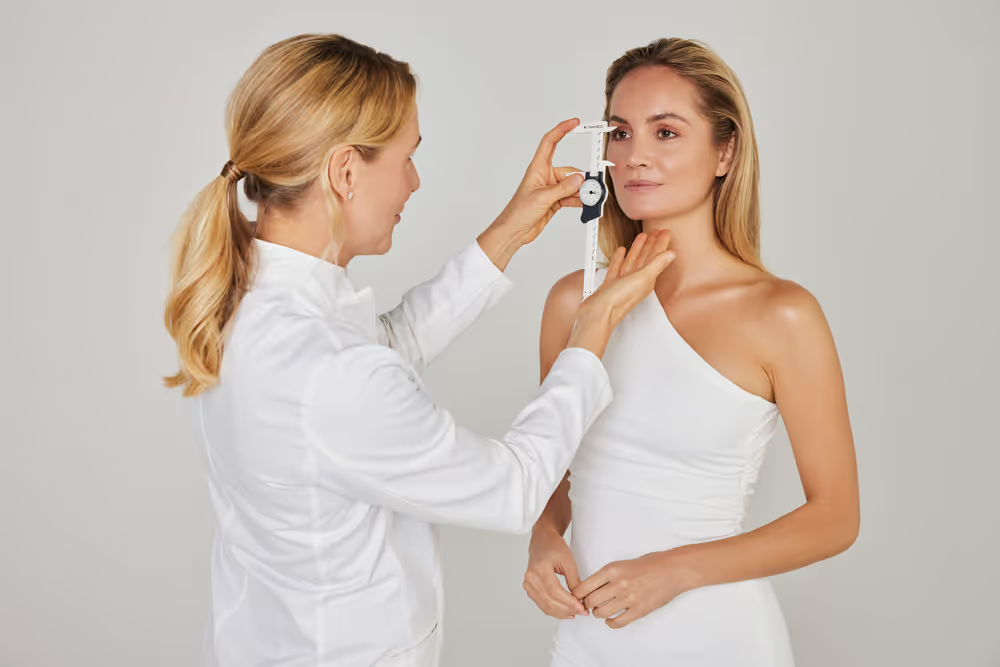
The operative Nose correction may include different measures depending on individual findings. A frequently performed step is the Nose bridge adjustment, for example by removing a Nose hump. Whether a fracture of the nasal bone is required is determined as part of preoperative examination decided.
In many cases, functional interventions with aesthetic corrections combined. These include, for example, the Reduction of nasal conchae, the Removal of a septal groin or the Straightening the nasal septum, particularly when Respiratory problems or snoring are available. To clarify the functional impairment, diagnostic methods such as a nasal endoscopic examination, rhinomanometry or imaging methods (e.g. CT or DVT) are used.
If necessary, a targeted Refining the structure of the nose. For patients with thick skin, the Tip of the nose by a careful Optimized thinning from within become. The new nose shape is stabilized by fine struts made of endogenous cartilage guaranteed, which is usually removed from the nasal septum.
In the case of a Revision rhinoplasty Is additional cartilage often required to Stability of the nasal framework restore.

Treatment options
The choice of optimal technology is carried out individually on the basis of the anatomical conditions and the desired result. A detailed medical consultation ensures that both functional as well as aesthetic aspects be taken into account in the best possible way. Dr. Berkei provides individual advice on which option is best for you and uses her expertise to find the best solution.
There are various options available:
Nose surgery costs
Die Costs for nose surgery are individual and depend on various factors, such as Extent of surgery, the chosen surgical technique and the personal anatomical requirements. Whether it is a aesthetic rhinoplasty or a functional rhinoplasty acts to improve nasal breathing: Each Nose surgery is planned individually in our practice and tailored to the needs of the patient.
Many patients ask themselves:
- How high are they Nasal surgery costs?
- What does a cost Rhinoplasty really?
- Is a Free nasal surgery possible, for example when medically indicated?
In fact, the exact Costs for nose surgery only after a detailed consultation and a thorough investigation reliably. As part of this interview, you will receive a transparent cost statement, which is tailored exactly to the planned procedure, regardless of whether it is a classic rhinoplasty, a complex rhinosurgery or a correction after a previous operation.
When does health insurance pay for nose surgery
Whether nose surgery is covered by health insurance depends on medical necessity from the procedure. Functional corrections that improve nasal breathing, such as Straightening a severely curved nasal septum or the Reduction of nasal conchae, can be reimbursed under certain conditions.
- Medical necessity: Evidence of chronic respiratory problems, sinusitis, sleep apnea or consequences of injuries
- Diagnostic evidence: Investigations such as nasoscopy, rhinomanometry, CT/MRI or sleep laboratory
- Exhaustion of conservative treatment methods: Previous therapy with nasal sprays, medications, etc.
- No reimbursement of costs for aesthetic corrections — these must be paid privately
- Application & review by health insurance, often with an assessment by the Medical Service (MDK)
Corrections for purely cosmetic reasons are generally not covered by health insurance. Falls However, one medical indication is available and tandem eine aesthetic adjustment is desired, can, under certain conditions, a Proportional reimbursement of costs take place. In any case, it is advisable to clarify the reimbursement options with the health insurance company in advance.
One Payment in installments directly in our practice is not possible, however, there are various Financing options, which we would be happy to advise you personally. This gives you the opportunity to flexibly arrange the costs of your nose operation and does not have to pay the total amount in full immediately.
In a personal conversation, we will provide you with detailed information about possible financing options and help you find a suitable solution.
Rhinoplasty without surgery: Liquid Rhinoplasty
Gentle rhinoplasty without surgery: Optimize your Gentle nose shape and without downtime, for a harmonious appearance without a scalpel.
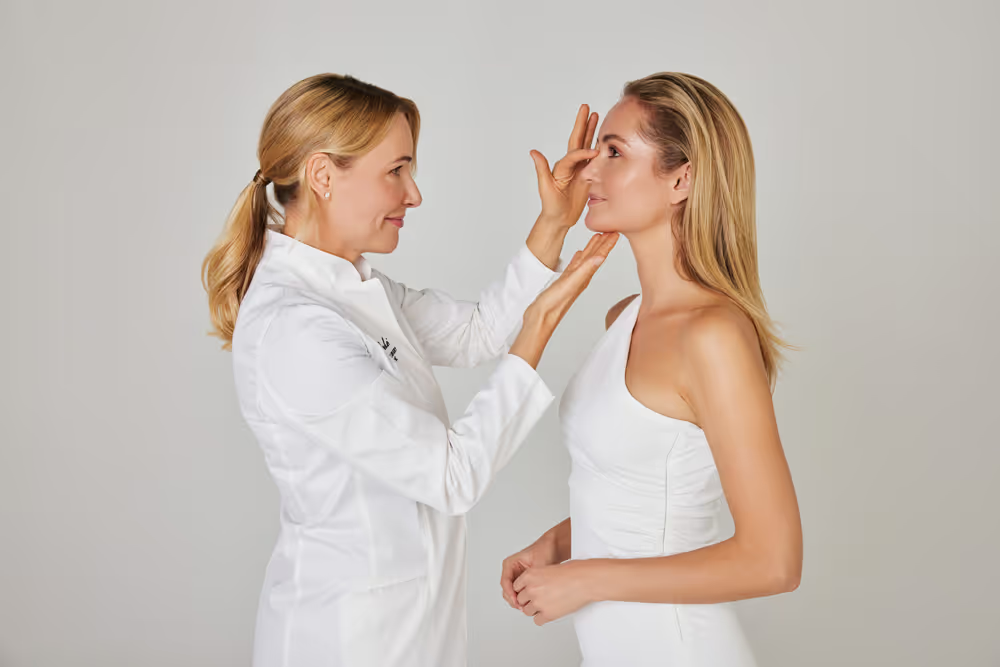
The nose is a central feature of the face and shapes the overall appearance. Many people are dissatisfied with the shape of their nose but shy away from surgery due to the associated risks, anesthesia or the long recovery period. One Rhinoplasty without surgery offers a gentle alternative to to gently optimize aesthetic irregularities — completely without a scalpel and long downtimes.
Facts about rhinoplasty without surgery (hyaluronic acid)
The quick and gentle type of rhinoplasty

What is rhinoplasty without surgery?
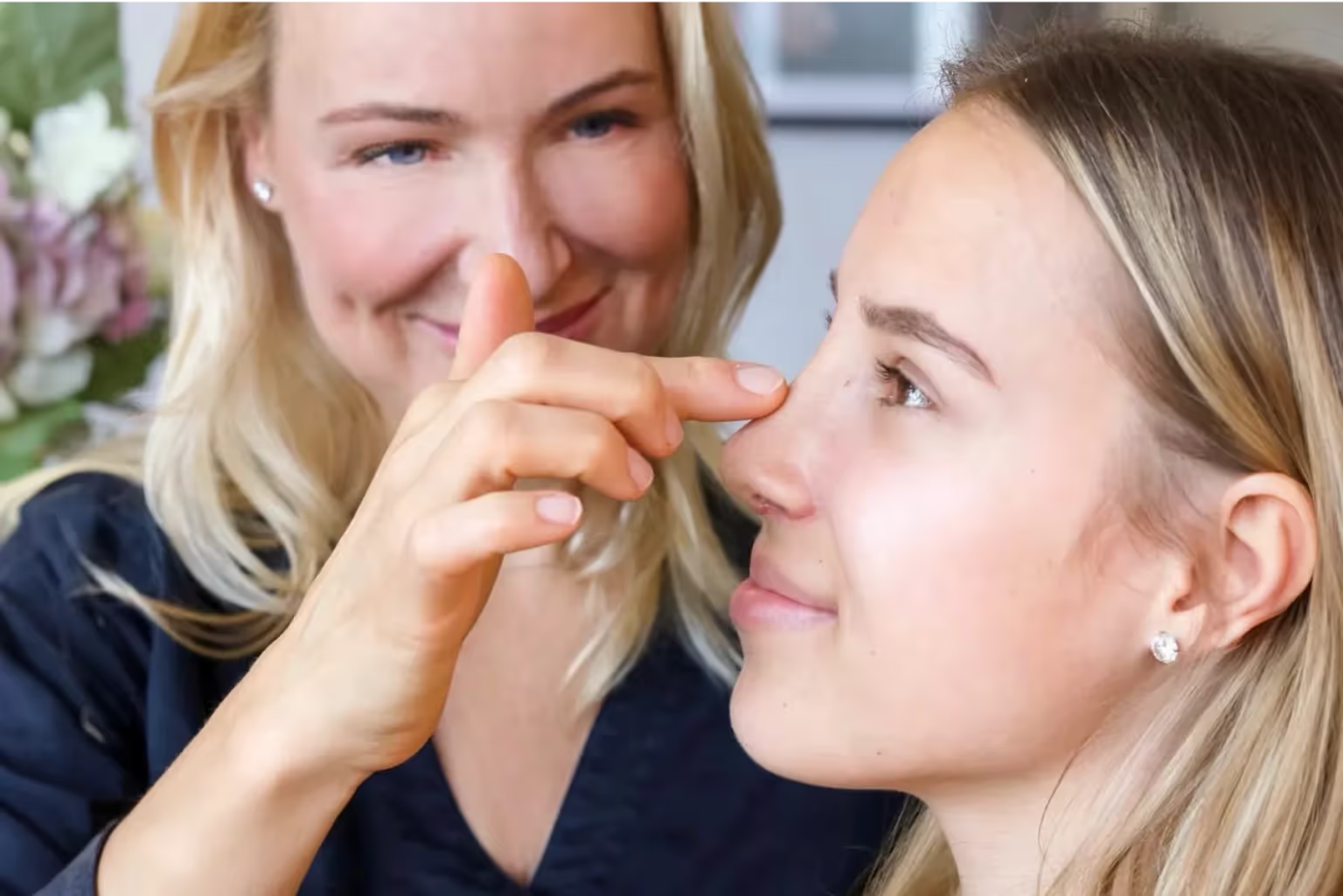
Die minimally invasive rhinoplasty is carried out by targeted injection with hyaluronic acid. This method allows a precise modelling of the nose, without the need for surgical intervention. By specifically injecting the filler, you can, among other things Conceals nose humps, raises the tip of the nose or compensates for slight asymmetries become. The effect is immediately visible, and the result usually lasts up to one year on.
Which noses can be treated without surgery?
Of course, this depends on the shape of the nose, but the following forms can often be treated without surgery.
- hump nose
- Saddle nose
- Crooked Nose
- Pseudo-crooked nose
Correction with hyaluronic acid is particularly suitable for the following adjustments:
- Concealment of nasal humps
- Raising the tip of the nose
- Compensation for slight asymmetries
- Refinement of the bridge of the nose
- Harmonization of nasal proportions
Although purely aesthetic rhinoplasty or purely functional rhinoplasty are separate procedures, there are also patients who both a functional and a cosmetic improvement aim for. Dr. Berkei and her colleagues are happy to respond to your specific wishes and plan your treatment to achieve your desired result and feeling.
How much does rhinoplasty cost without surgery?
The cost of a non-surgical rhinoplasty, also known as Liquid Rhinoplasty, depend on various factors, including The extent of the desired change, who amount of filler used as well as the individual anatomy of the face. In our practice, we only use high-quality, structured hyaluronic acids, which are targeted at Harmonization of nose profile be used.
Since this method involves a aesthetic treatment without surgery acts, the process is much less complicated, as is the budget. However, even minimally invasive rhinoplasty should be planned individually in order to achieve the desired effect in a natural way.
The exact costs can only be determined after a personal consultation by discussing your wishes and checking the feasibility based on your anatomy. You will then receive a transparent cost statement, which is tailored to the intended treatment.
Change starts now
Your journey toward a renewed, confident appearance begins here. Whether you are seeking aesthetic or functional enhancements to your face — such as rhinoplasty, nasal septum correction, or a minimally invasive, non-surgical treatment — you can trust that you are in the best hands with Dr. Julia Berkei.
As one of the leading specialists in the field of modern facial surgery, Dr. Berkei takes time to meet your individual needs and provides you with advice at the highest professional level.
If you have any questions, feel free to give us a call at any time!
Tel. no. (DE): +49 (0) 69 920 200 96
Tel. no. (CH): +41 434562707
Or arrange your personal consultation directly in our practice at Goethestrasse 25 in Frankfurt — discreet, trustworthy and competent.
FAQ - video
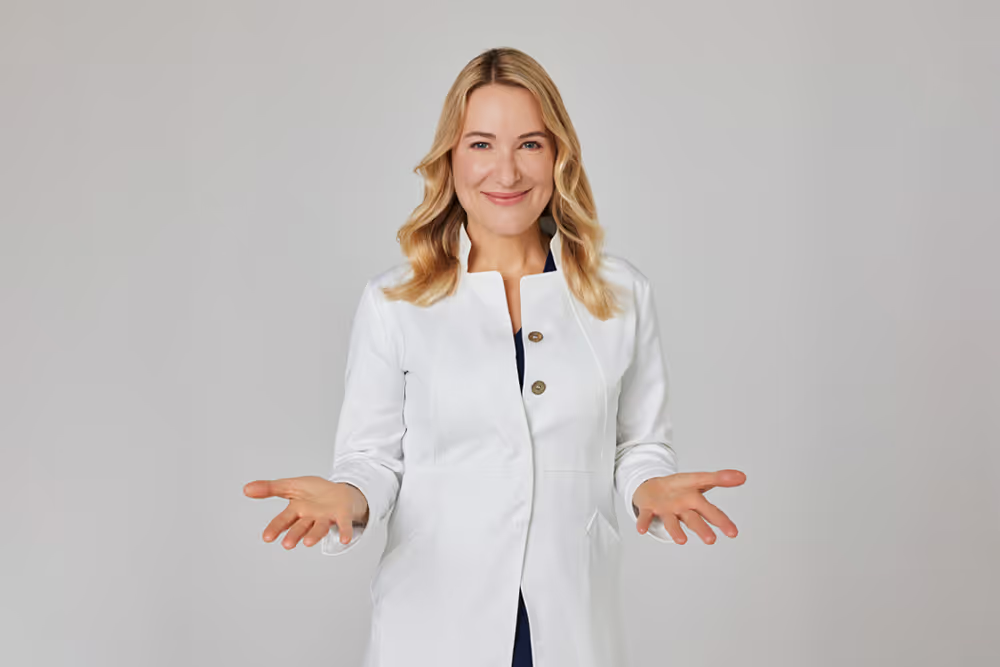
Your answers to the most frequently asked questions are summarized in a video.
Transparent and informative.
Nose surgery with hyaluronic acid? How much ML do you need?

Can the nose still be reshaped after surgery?

Avoid this mistake after nose surgery
What happens after nose surgery?
Our 5 post operation facts
FAQ - Frequently asked questions about nasal surgeries
The decision for rhinoplasty depends on the individual wishes and needs off. Basically, we differentiate between surgical rhinoplasty (with surgery) and minimally invasive methods (without surgery). While surgical rhinoplasty enables permanent changes, non-surgical rhinoplasty offers a gentle alternative with temporary results.
Rhinoplasty with surgery (rhinoplasty)
What is rhinoplasty (rhinoplasty)?
Rhinoplasty (rhinoplasty) is a surgical procedure to change the shape, size, or function of the nose. It can be performed for aesthetic reasons, such as to correct a hump nose or crooked nose, or for functional reasons to improve breathing. Dr. Berkei's practice uses the “Nose by Berkei” technique, which ensures natural and stable results.
When is rhinoplasty useful?
Nasal surgery can have both aesthetic and functional reasons:
Aesthetic reasons:
- hump nose — bumps or bumps on the bridge of the nose
- Crooked Nose — Asymmetrical nasal bridge or curved nasal septum
- Saddle nose — Sunken nose bridge
- bulbous nose — Enlarged or bulging nose tip
- Broad nose/boxer nose — Nose that is too wide in relation to the face
- Revision rhinoplasty — Correction after unsuccessful operations
Functional reasons:
- Nasal septum surgery (deviated septum) to improve breathing
- Chronic sinus infections
- Sleeping problems or snoring due to enlarged nasal conchae
- Reconstruction of the nose after an accident
How much does rhinoplasty cost?
The costs vary depending on the type of procedure:
- Esthetic rhinoplasty — The costs are calculated individually.
- nasal septum surgery (medical necessity) — Can be covered by health insurance. A detailed cost plan is prepared during a consultation.
Does health insurance cover the costs of rhinoplasty?
Statutory health insurance only covers the costs if medically necessary, e.g. if a curved nasal septum causes respiratory problems. Purely aesthetic corrections are private services. However, the practice supports patients with documentation for an application.
How is a rhinoplasty performed by Dr. Berkei?
- Consulting & 3D simulation — Requests are analysed and a 3D visualization shows the possible outcome. Ideas are incorporated into the planning.
- Day of operation — The procedure takes approx. 1.5—3 hours under general anesthesia or TIVA (total intravenous anesthesia).
- aftercare — First check the next day, overall 6—8
- aftercare appointments in the first three months for optimal healing
Is nose surgery painful?
Most patients are more likely to feel Pressure as pain. Using modern techniques and a local pain reliever after surgery, the pain sensation is minimized. If necessary, pain relievers are available.
How long does it take to heal after rhinoplasty?
- Swelling & bruising — Clearly in the first 2 weeks, then decaying.
- First visible results — After approx. 6 weeks.
- Final result — After 6—12 months, with thick skin, it can be up to 5 years last.
What should I consider before rhinoplasty?
- Bring your favorite picturesto discuss expectations.
- Have realistic expectations — The nose should fit harmoniously with the face.
- Plan healing time & aftercare, as there are restrictions in the first few weeks.
What are the risks?
Thanks to Dr. Berkei's experience, complications are rare (revision rate < 1%). However, there are general risks:
- Temporary swelling & bruising
- numbness, which usually subside within a few months
- asymmetries, which may be corrected with hyaluronic acid or CO2 fraxel laser
- Scar formation or open roof, which are avoided through precise technology
Regular checks minimize these risks.
Can the nose still swell years after surgery?
With thick skin, slight swelling can also occur years later, usually due to tissue changes. However, larger swellings are only typical in the healing phase after surgery.
How often can revision rhinoplasty be performed?
Each further revision operation is carried out by scar tissue and missing cartilage more complex. Dr. Berkei may use ear or rib cartilage and recommends at least 12-month gap to comply with the last operation.
When will I be able to exercise again after surgery?
- Easy sport — After approx. 6 weeks
- contact sports (soccer, boxing, etc.) — Only after 3—6 months
Can I drive a car after rhinoplasty?
No, at least Not for 2 weeks. Swelling and the nasal splint can impair the field of vision, making driving unsafe.
How long does the result of rhinoplasty last?
After complete healing, this remains Result stable over the long term. Thanks to the “Nose by Berkei” technique, aesthetic and functional results are particularly durable.
Is it possible to correct just the tip of the nose?
Yes, one Rhinoplasty is possible. Especially in the case of a bulbous nose A harmonious shape can be achieved by adapting cartilage or thinning the skin.
Rhinoplasty without surgery
What is rhinoplasty without surgery?
Rhinoplasty without surgery is a minimally invasive method, at Hyaluronic acid injected specifically is used to gently model the shape of the nose. Without a scalpel, you can evens out small irregularities, raises the tip of the nose or harmonizes proportions become — with an immediately visible result.
Can rhinoplasty replace surgery without surgery?
The minimally invasive method is particularly suitable for aesthetic corrections. However, functional impairment or major structural changes can only through surgical rhinoplasty be fixed.
Which nose shapes can be treated without surgery?
Not all rhinoplasty requires surgery. Hyaluronic acid can be used to carry out the following corrections, among others:
Aesthetic adjustments:
- Lamination of humps in the nose
- Raising the tip of the nose
- Compensation for slight asymmetries
- Refinement of the bridge of the nose
- Harmonization of nasal proportions
Suitable nose shapes:
- hump nose
- Saddle nose
- Crooked Nose/Pseudo-Crooked Nose
How long does the treatment take?
The entire procedure takes approx. 20-30 minutes and is carried out on an outpatient basis in the practice.
Is the treatment painful?
Thanks to a numbing cream Is the treatment almost painless. The injection is carried out with a fine needle or cannula and is well tolerated by most patients.
Is a hospital stay necessary?
No, the treatment is carried out outpatient, without hospital stay.
When will I be socially acceptable again?
In most cases, patients are already the next day socially acceptable again.
When can I exercise again?
Sports activities should be for 2—3 days paused to ensure optimal results.
Are there any risks or side effects?
As a minimally invasive procedure, the risks are low. Occasionally, the following may occur:
- Mild swelling
- redness
- Small bruises
These side effects usually sound within a few days off.
How long does the result last?
The shelf life of rhinoplasty without surgery is usually 12 to 18 monthsbecause the body gradually breaks down hyaluronic acid.
How much does rhinoplasty cost without surgery?
The costs depend on Scope of treatment and use of materials. In an individual consultation, you will receive a detailed assessment And a transparent cost statement.